




Importance of Sankranthi
The Importance of Sankranthi: A Festival of Harvest and Harmony
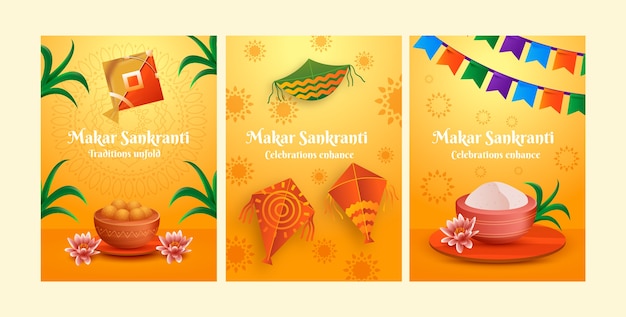
Sankranthi, one of the most significant festivals in India, is a celebration of the harvest season and the transition of the Sun into the zodiac sign of Capricorn (Makara). Observed with great enthusiasm and cultural fervor, this festival is not just a mark of seasonal change but also a time of joy, gratitude, and togetherness. Let us explore the rich tapestry of meanings and traditions that make Sankranthi a cornerstone of Indian culture.
A Celebration of the Harvest
At its heart, Sankranthi is a harvest festival that honors the hard work of farmers and the bounty of the Earth. As the winter solstice ends and longer days begin, this festival signifies the arrival of the harvest season in many parts of India. Crops like rice, sugarcane, and turmeric, essential to Indian agriculture, are harvested during this time, bringing prosperity to millions.
Farmers express their gratitude to nature, the Sun God, and cattle, which play a pivotal role in agriculture. This acknowledgment of interdependence between humans and nature forms the essence of Sankranthi’s celebrations.
Cultural Diversity and Regional Variations
While the core essence of Sankranthi remains the same, its celebration varies across the country, reflecting India’s cultural diversity:
-
Pongal in Tamil Nadu: A four-day festival where families cook and share a special dish called "Pongal," made from newly harvested rice.
-
Lohri in Punjab: A festival marked by bonfires, dance, and music, celebrating the end of winter and the beginning of the harvest season.
-
Magh Bihu in Assam: Known for feasts, traditional games, and community gatherings.
-
Makar Sankranti in other regions: Flying kites, distributing sweets made of sesame and jaggery (tilgul), and taking holy dips in rivers are common practices.
These regional variations highlight the unity in diversity that Sankranthi embodies.

Spiritual Significance
Sankranthi is a deeply spiritual festival. The movement of the Sun into Capricorn is believed to usher in an auspicious phase known as Uttarayana. This period is considered highly favorable for spiritual practices, new beginnings, and self-improvement. Pilgrimages and river baths during Sankranthi are believed to cleanse one’s soul and pave the way for prosperity.
Symbol of Unity and Togetherness
Beyond its agricultural and spiritual importance, Sankranthi is a festival of community and family bonding. Sharing sweets and meals symbolizes spreading sweetness and harmony in relationships. Social gatherings, kite-flying competitions, and cultural performances bring people together, transcending barriers of age, caste, and creed.
A Festival of Gratitude and Renewal
Sankranthi encourages a sense of gratitude for the blessings of life. It is a time to reflect on our dependence on nature and the contributions of farmers. The festival also symbolizes renewal, as it marks the transition from darkness to light, ignorance to knowledge, and sorrow to joy.
Eco-Friendly Celebrations
In recent years, there has been an emphasis on celebrating Sankranthi in an environmentally conscious way. Avoiding plastic kites, minimizing waste, and choosing natural decorations like rangoli and flowers are small steps toward preserving the planet while keeping traditions alive.
Conclusion
Sankranthi is much more than a festival; it is a celebration of life itself. Rooted in gratitude, community, and renewal, it reminds us of the cycles of nature and the interconnectedness of all beings. As we celebrate Sankranthi with joy and reverence, let us embrace its timeless values and spread harmony, not just in our homes but across the world.
May this Sankranthi bring happiness, prosperity, and unity to everyone. Happy Sankranthi!
Venkatesh Panyam(PV Sir)
View Details

 Like
Like 7 Comments
 Repost

You may also like

EdGe: Your Academic Co-pilot
Published 7d+

For Ayurveda Graduates in 2025 and Beyond
IntroductionAyurveda, the ancient Indian system of holistic medicine, is experiencing a powerful resurgence worldwide. As people increasingly turn toward natural, preventive, and sustainable healthcare


Dr. Ravi Saripalle
Published 7d+
Need for
What is proved just before 30 seconds of our heartbeat stops! Did we compile our memory book for the last reflash? Need for Happy Hour in Institutions. Read this interesting perspective.Dear Friends

Dr. Ravi Saripalle
Published 7d+
Better English for Best Mathematics
Do You Need Better English for Best Mathematics? Similarly, Computer Science and Communication!! 20% drop in Maths Performance due to less understanding of words! How does a Metro, City, Town Student perform


A. Rashmi Bhavani
Published 7d+
SO YOU THINK YOU CAN BE AN UNDERGRADUATE!?
I don’t mean to scare or warn you. I am just another undergraduate student pursuing Engineering in the ECE domain and I am here to share some of my personal experiences and the “Skills to be

EdGe: Your Academic Co-pilot
Published 7d+
Civil Engineering: A Guide for Aspiring Students
What is Civil Engineering?Civil engineering is a core field of engineering that deals with the planning, design, construction, and maintenance of the built environment. This includes infrastructure

EdGe: Your Academic Co-pilot
Published 7d+
NEET: 2025 Physics Chapter wise Distribution
🔍 Overall Standard of NEET 2025 Physics Difficulty Level: Moderate to Difficult compared to previous years Mix of Questions: ~30–40% were easy/direct NCERT-based ~40–50%

Dr. Ravi Saripalle
Published 7d+
Brilliance vs. Reliability: Which is More Important in the Contemporary World?
Dear Friends,Recently, the famous Hindi actor Sunil Shetty shared a post reflecting on the value of reliability over raw talent or brilliance, drawing from his experiences in the film industry and


Sri Chaitanya Ayyagari
Published 7d+
Chemical engineering: For a better tomorrow
Role of Chemical Engineer in Pharmaceutical Industry:As the world is slowly recovering from the Pandemic of COVID crisis. We all know how much damage COVID 19 virus has done to humanity. Scientists

EdGe: Your Academic Co-pilot
Published 7d+
Know your Exam : JEE Advance
JEE Advance exam is one of the most challenging exam in India. All the students who qualify in JEE Mains are eligible to write this exam. In this blog we are ptoviding all the information related to this

Dr. Ravi Saripalle
Published 7d+
Nurture or Nature?
Nurture or Nature? How to make more verbal participation of Girl students in a classroom (UG Engineering)? Role of Women Faculty, Special Women Sections & Women Colleges! Read this Interesting perspective!Dear


VENKATESH PANYAM
Published 7d+
Let Them Pop: Why Students Need Their Own Time to Excel
Dear Teachers and Parents,As parents and teachers, we often expect all students to excel at the same rate, assuming that if they are all exposed to the same environment and resources, they should all

Dr. Ravi Saripalle
Published 7d+
Do You Love Data?
Do You Love Data? The 60 Years of Data Career Story! Every Computer Literate should know from Early “Database Management” to Contemporary “Data Thinking” in Simple Terms! Read this!!Dear
Related Blogs


P.Kusuma
Published 7d+
Importance of the sankranthi
Sankranthi is the festival of farmers,we celebrated elaborately in villages than in cities.This festival comes under the crops are harvested.Farmers and daily wase workers do not have that much work to


Nakshita ____ cutie
Published 7d+
What is the significance of Sankranthi, and why is it celebrated?
What is the significance of Sankranthi, and why is it celebrated?Makar Sankranti, also known as Maghi, Til Sankranti, Uttarayana, or Pongal, is a festival celebrated in India and Nepal that has multiple


Harika Kshatriya
Published 7d+
Sankranthi
Festivals like Sankranthi play a significant role in promoting unity and harmony in society by:*Fostering community bonding :Festivals bring people together, encouraging social interactions and

K Sai Rohan
Published 7d+

What is the significance of Sankranthi, and why is it celebrated?
The Multifaceted Significance of Sankranti: A Celebration of Harvest, Sun, and CultureSankranti, celebrated across India and parts of South Asia under various regional names like Pongal, Makar


Chinmai Velega
Published 7d+
Historical origin of sankranthi
Sankranthi is also a harvest festival, celebrated to thank nature for its bounty and to mark the start of the agricultural season. It holds spiritual significance, as it is considered an auspicious time


VishnuVarma
Published 7d+
The Role of the Sun God in the Celebration of Sankranthi
Sankranthi is one of the most vibrant and significant festivals celebrated across India, marking the transition of the Sun into the zodiac sign of Capricorn (Makara Rashi). This celestial event heralds