




The Role of the Sun God in the Celebration of Sankranthi
Sankranthi is one of the most vibrant and significant festivals celebrated across India, marking the transition of the Sun into the zodiac sign of Capricorn (Makara Rashi). This celestial event heralds the end of the winter solstice and the beginning of longer, warmer days, symbolizing the onset of the harvest season. Among the many deities revered during this festival, the Sun God, or Surya, holds a central and indispensable role.
The Significance of Surya in Sankranthi
In Hindu mythology, Surya is regarded as the sustainer of life and the ultimate source of energy. The festival of Sankranthi is essentially a form of thanksgiving to the Sun God for bestowing warmth and enabling a bountiful harvest. The movement of the Sun into the northern hemisphere, known as Uttarayana, is considered highly auspicious. This transition is believed to dispel darkness and ignorance, ushering in knowledge, light, and spiritual growth.
The agricultural communities, in particular, express their gratitude to Surya for ensuring successful crop cycles. With the harvest season at its peak, farmers celebrate the abundance of crops and pray for continued prosperity in the coming seasons.
Rituals Honoring the Sun God
Sankranthi is celebrated differently across various regions of India, but the reverence for Surya remains a common thread. Devotees wake up early, take holy baths in rivers, and offer prayers to the Sun by performing Surya Namaskar (sun salutations) and chanting mantras. Offering water (Arghya) to the rising sun is a prominent ritual that symbolizes purification and renewal.
Traditional offerings made to Surya include ingredients like jaggery, sesame seeds (til), sugarcane, and rice, all of which have symbolic meanings. Jaggery represents sweetness and goodwill, sesame seeds symbolize longevity and health, and sugarcane signifies abundance and prosperity. These offerings are shared among family and friends, fostering unity and harmony.
Regional Variations in Worship
In Andhra Pradesh and Telangana, Sankranthi spans four days, each dedicated to different aspects of life and nature. The second day, known as Pedda Panduga, is particularly devoted to worshipping Surya. In Tamil Nadu, the festival is celebrated as Pongal, where the boiling over of sweet rice symbolizes prosperity, and prayers are offered to the Sun God. In Gujarat and Rajasthan, people fly kites as a tribute to Surya, celebrating the clear skies and favorable winds brought by the Sun's transition.
Symbolism and Cultural Relevance
Surya's journey northward is metaphorically associated with enlightenment and spiritual awakening. Just as the Sun dispels darkness, it is believed to eliminate negative energies and ignorance. The warmth of the Sun during this period also nurtures new beginnings, making it an ideal time for personal growth and setting new goals.
Sankranthi is not merely a harvest festival but also a cultural celebration of cosmic harmony. It emphasizes the interconnectedness of human life with nature and celestial movements. By honoring Surya, communities acknowledge the natural cycles that sustain life and foster collective gratitude.
Conclusion
The Sun God, Surya, is at the heart of Sankranthi celebrations, symbolizing life, energy, and prosperity. Through rituals, offerings, and regional festivities, people express their reverence and gratitude for the Sun's role in nurturing the earth and ensuring agricultural abundance. Sankranthi serves as a reminder of the harmony between humanity and nature, inspiring individuals to embrace positivity, growth, and unity as they welcome the new season.
Author
Tirumalaraju Vishnu Varma
4th year, B. Tech
Lendi Institute of engineering and technology

VishnuVarma
View Details
 Like
Like 505 Comments
 Repost

You may also like


Sandip University
Published 7d+
MBA in Hospital and Healthcare Management
MBA in hospital and healthcare managementWhat is Hospital and Healthcare Management and why do we need it?Hospital and Healthcare Management refers to inch-by-inch management procedures involved in

EdGe: Your Academic Co-pilot
Published 7d+

NEET
National Eligibility cum Entrance Test (NEET) is the only medical entrance test for the students aspiring to pursue medical courses (UG) in medical colleges in India. It will be conducted by


Rambabu Daketi
Published 7d+
Know My Campus: Avanthi
The BeginingAvanthi Educational Society under the Leadership of Sri M.Srinivasa Rao Garu as chairman was started in the Year 1991. Within a short span of its establishment, the group has made a remarkable

EdGe: Your Academic Co-pilot
Published 7d+
Careers for the Bold and Curious
Every year, lakhs of students across India appear for the JEE (Joint Entrance Examination) and NEET (National Eligibility cum Entrance Test), aspiring to secure seats in premier institutions like IITs

EdGe: Your Academic Co-pilot
Published 7d+
Top Biology Careers Beyond MBBS: Explore Dynamic Opportunities in Life Sciences
Top Biology Careers Beyond MBBS: Explore Dynamic Opportunities in Life SciencesIf you're a biology student but not pursuing MBBS, don't worry — the world of biology offers numerous

EdGe: Your Academic Co-pilot
Published 7d+
A Mathematician Who Inspires and Transforms
Dr. Umadhar Patnaik is the Managing Director of Ascent Classes and HOD of Mathematics in Visakhapatnam.Dr. M. Umadhar Patnaik, an exceptional mathematician and dedicated educator, has been a beacon

EdGe: Your Academic Co-pilot
Published 7d+
Krea University: A Comprehensive Overview
Location and VisionKrea University is a modern liberal arts and sciences institution located in Sri City, Andhra Pradesh, about 70 kilometers north of Chennai. It was established with a forward-thinking


Bade Ramyasri
Published 7d+
The Timeless Legacy of Indian Mathematics
"Indian mathematics has always been a bridge between abstract thought and practical application, laying the foundation for the mathematical discoveries that shape our modern world."Indian
EdGe: Your Academic Co-pilot
Published 7d+
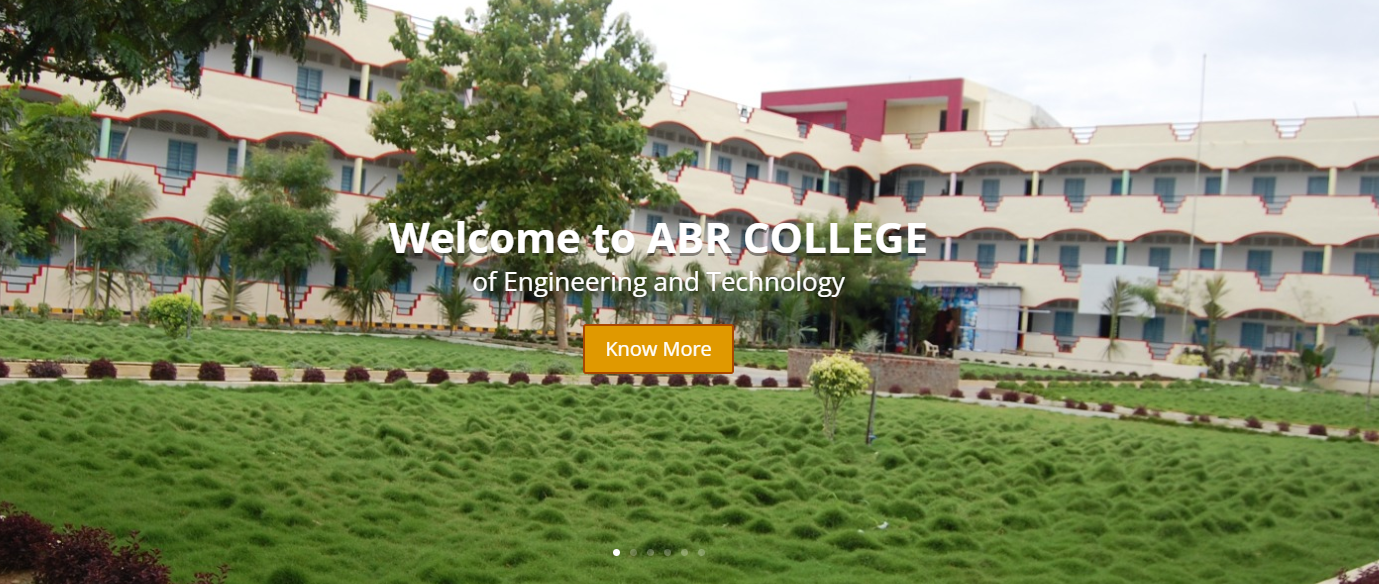
Know Your College: ABR College of Engineering & Technology, Kanigiri
📢 Discover ABR College of Engineering & Technology, KanigiriEstablished in 2008, ABR College of Engineering & Technology is a reputed private institution located at China Irlapadu, Kanigiri,

EdGe: Your Academic Co-pilot
Published 7d+
Vignan’s Foundation for Science, Technology and Research: A Comprehensive Overview
Vignan’s Foundation for Science, Technology and Research (VFSTR) began its journey in 1997 with the establishment of Vignan Engineering College at Vadlamudi. Founded by the Vignan Educational Trust


VENKATESH PANYAM
Published 7d+
JEE Mains-2019-Physics Analysis
To succeed in any competitive exam students should know how the questions were framed in the exam. To understand this every teacher recomends the students to solve the previous exam papers.When a student


Uma Maheswari
Published 7d+
How we won Smart India Hackthon?
SMART INDIA HACKATHONSmart India Hackathon is a National wide platform initiated to enhance and utilize the innovation and creativity of students which helps the nation.In this many organizations
Related Blogs

Pranathi buddepu
Published 7d+

What role does the Sun God play in the celebration of Sankranthi
What role does the Sun God play in the celebration of SankranthiSpiritual ImportanceThe Sun God, known as Surya, plays a central role in the celebration of Sankranthi. He is revered as a

Venkatesh Panyam(PV Sir)
Published 7d+

Importance of Sankranthi
The Importance of Sankranthi: A Festival of Harvest and HarmonySankranthi, one of the most significant festivals in India, is a celebration of the harvest season and the transition of the Sun into


Chinmai Velega
Published 7d+
Historical origin of sankranthi
Sankranthi is also a harvest festival, celebrated to thank nature for its bounty and to mark the start of the agricultural season. It holds spiritual significance, as it is considered an auspicious time

K Sai Rohan
Published 7d+

What is the significance of Sankranthi, and why is it celebrated?
The Multifaceted Significance of Sankranti: A Celebration of Harvest, Sun, and CultureSankranti, celebrated across India and parts of South Asia under various regional names like Pongal, Makar


bharadwaj Varma
Published 7d+
How can we celebrate Sankranthi in an eco-friendly way?
CELEBRATE SANKRANTHI IN AN ECO-FRIENDLY WAY INTRODUCTION:Sankranthi, celebrated across India, is not only a harvest festival but also a time to bring communities together to celebrate the fruits


Nakshita ____ cutie
Published 7d+
What is the significance of Sankranthi, and why is it celebrated?
What is the significance of Sankranthi, and why is it celebrated?Makar Sankranti, also known as Maghi, Til Sankranti, Uttarayana, or Pongal, is a festival celebrated in India and Nepal that has multiple