




WHY WE NEED TO EXPLORE SPACE
Understanding
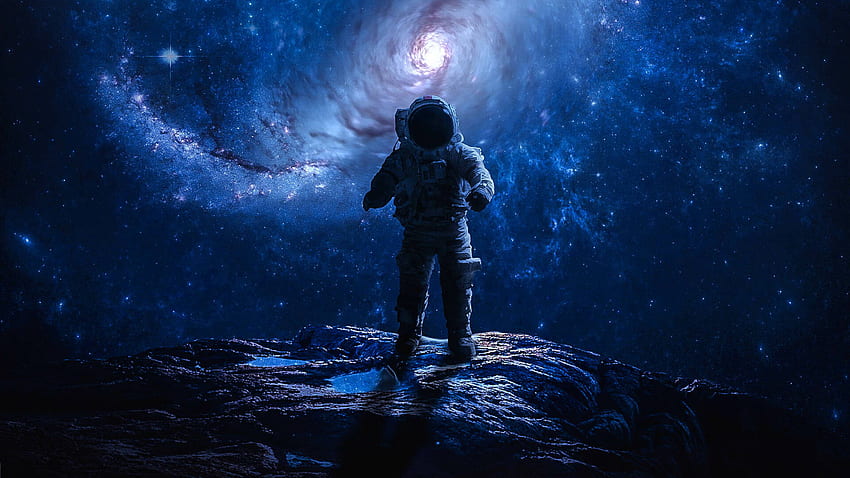
NASA’s time-travelling space exploration programmes and satellite missions aid in the discovery of previously unknown facts about our universe. Scientists have gained a greater understanding of Earth’s nature and atmosphere, as well as those of other space entities. These are the research initiatives that alert us to impending natural disasters and other related forecasts. It also paves the way for our all-powerful universe to be saved from time to time.
Pollution
Pollution is one of the most concerning issues in space travel. Many satellites are launched into space each year, but not all of them return. The remnants of such incidents degrade over time, becoming debris that floats in the air. Old satellites, various types of equipment, launch pads, and rocket fragments all contribute to pollution. Space debris pollutes the atmosphere in a variety of ways. Not only is space exploration harmful to the environment, but it is also harmful to space.
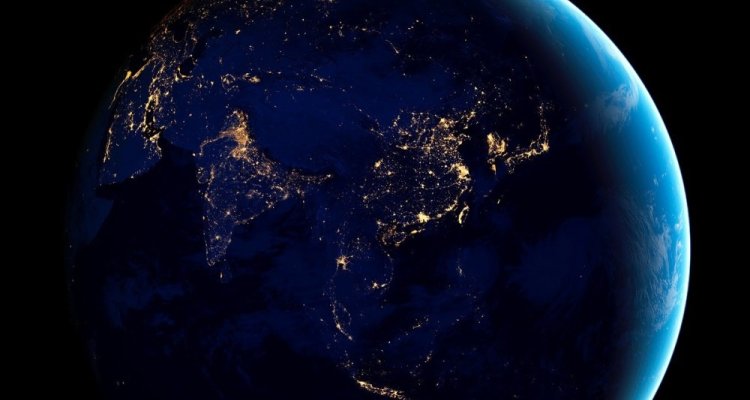
Space exploration isn’t a walk in the park. Many historical occurrences demonstrate the dangers that come with sad situations. The Challenger space shuttle accident on January 28, 1986, must be remembered. The spacecraft exploded in under 73 seconds, resulting in a tremendous loss of life and property.

There are two sides to every coin. To survive on Earth, one must confront and overcome obstacles. Space exploration is an essential activity that cannot be overlooked, but it can be enhanced by technological advancements.
author:
J. Narendra Shiva sai
3RD YEAR, CSSE
21KD1A1528

ELCSLAB @ Lendi
View Details
 Like
Like 186 Comments
 Repost

You may also like


Dr. Ravi Saripalle
Published 7d+
Story of a boy from GVP to Apple!
The Story of a boy from GVP to Apple! Humble Beginning to Whopping Package! Studious to Super coder!! Read this Interesting Story of a GVPcian!Dear Students and FriendsAs I said before, I met a GVPCE

EdGe: Your Academic Co-pilot
Published 7d+

Sri Venkateswara University (SVU), Tirupati: In-depth Overview
Sri Venkateswara University (SVU), located in Tirupati, Andhra Pradesh, is a public state university established in 1954. Named after Lord Venkateswara, it is situated on the western side of Tirupati,


Dr.Srinivasa Rao Allam
Published 7d+
Q&A with Prof. A.S. Rao
What is Engineering Physics? Dr.Srinivas:Engineering Physics is the study of the combined disciplines of physics, mathematics, chemistry, biology, and engineering, particularly computer, nuclear,

EdGe: Your Academic Co-pilot
Published 7d+
Explore B.Tech Programs at ANITS, Vizag
Anil Neerukonda Institute of Technology and Sciences (ANITS) was established in the academic year 2001-02 with approval from the All India Council for Technical Education (AICTE), New Delhi,

EdGe: Your Academic Co-pilot
Published 7d+
Naval Architecture vs Marine Engineering
A Complete Guide for Indian StudentsIf you're interested in working with ships, oceans, and high-tech engineering systems, you might have come across two interesting career options: Naval Architecture

EdGe: Your Academic Co-pilot
Published 7d+
7 On-Demand Careers You Can Build from Your Hobbies
Turn What You Love Into What You Do – Powered by EdGe🔍 Why Turn a Hobby into a Career?When your passion becomes your profession, work no longer feels like a burden. The rise of digital

Dr. Ravi Saripalle
Published 7d+
Don’t ask for Hike! Ask for Mike
Is it an End of Great Resignation and welcoming Stagflation or high misery index? Are you Dear to Your Boss? Else, you will end up Dear to your Loss? Don't ask for a Hike! Ask for a Mike!! Read this

EdGe: Your Academic Co-pilot
Published 7d+
Ray Optics Important Concepts and Formulas


Aasrith Chandu
Published 7d+
Why I left My Dream College, ISI?
Hello readers!I'd like to share a story of a confused student, a confused dreamer, and a confused JEE aspirant. A story of mine. Let's get into it!! THE DREAM!!Like every other middle-class

EdGe: Your Academic Co-pilot
Published 7d+
Law Entrance Exams
Nowadays the students choosing LAW as a career has increased a lot. In order to get an admission they need to write a lot of admission tests . To help such students , a list of popular Law entrance exams


The Art of Teaching
Published 7d+
Happy Teachers, Happy Students: Building Schools That Thrive
The saying, "Happy teachers make happy students," isn’t just a feel-good mantra—it’s a profound truth that underscores the foundation of a thriving educational


M. Shruti
Published 7d+
Globalization and Indian Society
What is globalisation? Globalization means how trade and technology and changes in economy and cultures have made the world more fastened, interdependent, and secure.Impact of Globalisation
Related Blogs

ELCSLAB @ Lendi
Published 7d+
Why we need to explore space?
Why we need to explore space?Space exploration allows us to prove or disprove scientific theories developed on Earth. Studying the solar system, for example, has brought us insights into such phenomena

ELCSLAB @ Lendi
Published 7d+
why we need to explore space?
WHY WE NEED TO EXPLORE SPACE?Exploring space serves a variety of important purposes and offers numerous benefits to humanity. Here are some of the key reasons why we need to explore space: Scientific

ELCSLAB @ Lendi
Published 7d+
Why we need to explore space?
Why we need to explore space..?Introduction:For centuries, the human imagination has been captivated by the exploration of space. The possibility of exploring space has long excited people in many

ELCSLAB @ Lendi
Published 7d+
Why do we need to explore space?
Title: The Importance of Space ExplorationIntroduction : Space exploration has always been a greatest discovery for humanity, pushing the boundaries of our knowledge and capabilities.

ELCSLAB @ Lendi
Published 7d+
Why do we need to explore space?
Title: Exploring the Cosmos: Why We Need to Explore SpaceIntroduction:The human fascination with the cosmos has been an enduring part of our existence. From ancient civilizations gazing at the night

ELCSLAB @ Lendi
Published 7d+
WHY WE NEED TO EXPLORE SPACE ?
Title : WHY WE NEED TO EXPLORE SPACE ?INTRODUCTION :As we sit beneath the vast expanse of the night sky, gazing at the twinkling stars and wondering what lies beyond, the allure of space exploration