




Beyond Skills: Why Teachers Must Cultivate Visibility
As educators, teachers are the architects of future generations, meticulously shaping minds with skills, knowledge, and wisdom. Yet, in today’s interconnected world, being an exceptional teacher is no longer just about skill—it’s about visibility. The silent brilliance of a teacher who goes unnoticed may inspire a few, but a teacher with visibility inspires a world.

Here’s how teachers can leverage visibility to amplify their impact and redefine their teaching journey:
1. Talent Without Visibility is Wasted
Your innovative teaching methods or creative lesson plans mean nothing if they remain confined to your classroom. Share your ideas, projects, and successes with your peers, school community, and beyond. Whether through social media, education forums, or local events, let the world see the unique value you bring to education.
2. Turn Skills Into Opportunities
Skills are the foundation, but visibility builds the bridge to opportunities. Whether it’s landing a prestigious teaching award, being invited to speak at conferences, or contributing to curriculum development, being seen is the key to unlocking these doors.
3. Networking for Teachers
Networking isn’t just for corporate professionals—it’s essential for educators, too. Attend workshops, conferences, and webinars to connect with like-minded teachers. Collaboration opens new horizons, allowing you to learn and share while gaining recognition for your expertise.
“Your Networking is Your Networth”
4. Share Your Expertise
Have a unique way to simplify complex concepts? Found an engaging method to teach fractions or a creative way to explain history? Share it! Write blogs, create videos, or even host small workshops for fellow educators. Sharing doesn’t just help others—it positions you as an expert in your field.
5. Be Active on Social Media
Platforms like Edgroom, Twitter, Instagram, and LinkedIn are powerful tools for teachers. Post insights from your classroom, share photos of innovative activities or engage in discussions on educational trends. A single post can reach thousands, making your work visible to a broader audience.
6. Consistency is Key
Visibility isn’t a one-time effort; it’s a continuous journey. Regularly engage with your audience, whether through blog posts, social media updates, or educational events. Over time, this consistent presence will make you a recognizable name in your field.
7. Celebrate Your Wins
Did your students excel in a competition? Did you implement a teaching strategy that showed great results? Celebrate it! Success stories not only inspire others but also spotlight your dedication and hard work.
8. Showcase the Journey
Behind every great teacher are stories of effort, experimentation, and growth. Share your process—the challenges you faced, the solutions you discovered, and the impact on your students. This transparency builds trust and admiration.
9. Collaborate to Grow
Collaboration is the fastest way to expand your reach. Partner with fellow teachers on projects, organize inter-school events, or contribute to community education initiatives. Collaboration not only amplifies your visibility but also enriches your teaching experience.
10. Believe in Yourself
Above all, trust your abilities and value as a teacher. Confidence is the foundation of visibility. When you believe in yourself, others are more likely to take notice and be inspired by your journey.
Why Visibility Matters for Teachers
Teachers play a pivotal role in society, yet their work often goes unnoticed beyond the classroom walls. By becoming visible, you not only gain recognition but also inspire others, influence educational practices, and leave a legacy that extends far beyond your immediate surroundings.
Visibility is the multiplier that transforms good teaching into impactful teaching. Start now—embrace the opportunities to showcase your skills, and watch how your influence grows, touching lives within and beyond your classroom.
Happy Teaching
"A good teacher can inspire hope, ignite the imagination, and instill a love of learning."

The Art of Teaching
View Details
 Like
Like 0 Comments
 Repost

You may also like


Anuradha Tenneti
Published 7d+
How to Master Organic Chemistry
Organic Chemistry is one of the most scoring sections of JEE if prepared smartly. Begin by building strong fundamentals from NCERT and a standard book like Morrison & Boyd or Solomons


M.B.K. Vijay Kumar
Published 7d+
Target NEET
Analyze to understandTo score good marks in any competitive exam students should have clarity on the type of questions they are going to answer. This is because different questions need different skills


Kartikeya Kommanamanchi
Published 7d+
Complexion Conundrum: Examining Discrimination in India
My Personal ExperienceWhile living in a cocoon in my native place, I never experienced the harsh reality of racism that has been persisting in India. When I came to Delhi a couple of months ago, I started


M. Shruti
Published 7d+
LIFE OF AN ADOLESCENT
Who are adolescents?Adolescents are the persons who complete their childhood and enter the world of responsibility. At this age, we will acquire attributes and abilities that will be essential for


Dr. Ravi Saripalle
Published 7d+
What is that ONE JOB LEFT?
Many Jobs are on Verge of Closure Except this One! Raise or get Rinsed! What is that ONE JOB LEFT? Read this Perspective!Dear Friends and StudentsNov 2015, theguardian.com published an article

Dr. Ravi Saripalle
Published 7d+
Biodiversity Crisis!
Community Led Grassroots Fightback against Biodiversity Crisis! What is our Vow to Rewild?! Read this PerspectiveDear Friends and StudentsRecently somebody commented on my blog that most of the


Sandip University
Published 7d+
MBA in Hospital and Healthcare Management
MBA in hospital and healthcare managementWhat is Hospital and Healthcare Management and why do we need it?Hospital and Healthcare Management refers to inch-by-inch management procedures involved in

EdGe: Your Academic Co-pilot
Published 7d+

All About VITEEE
Vellore Institute of Technology: A Premier Destination for Engineering ExcellenceVellore Institute of Technology (VIT) is a premier deemed university in India, established in 1984 by Dr. G. Viswanathan.
Dr. Ravi Saripalle
Published 7d+
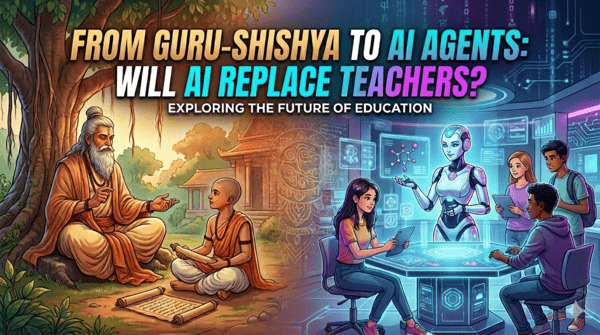
From Guru-Shishya to AI Agents: Will AI Replace Teachers?
Dear Friends,I am a 5th-generation teacher in my family. My great-great-grandfather, great-grandfather, and grandfather followed the Guru-Shishya Parampara way of teaching. It was an oral tradition,


A. Rashmi Bhavani
Published 7d+
The Joy of Reading Books. Why Should We Read Books?
The Joy of Reading Books. Why Should We Read Books?When was the last time you read a book? When was the last time you read a quote and reflected on it? When was the last time you sniffed a new book


VENKATESH PANYAM
Published 7d+
The Stockdale Paradox: Your Key to Overcoming Exam Stress
Dear students,Are you feeling stressed and anxious about your exams? Do you feel like you are constantly under pressure and fear that you might fail? Don't worry, you are not alone. Exam stress is

Dr. Ravi Saripalle
Published 7d+
Soul Pleasure Vs Societal Pleasure
Hard to Accept this Definition but Soft to Reject? Soul Pleasure and Pressure Vs Societal Pleasure and Pressure? Read this perspective!Dear Friends and StudentsGustavo Petro, the Mayor of Bogota,
Related Blogs

The Art of Teaching
Published 7d+
Happy Teachers, Happy Students: Building Schools That Thrive
The saying, "Happy teachers make happy students," isn’t just a feel-good mantra—it’s a profound truth that underscores the foundation of a thriving educational


ELCSLAB @ Lendi
Published 7d+
"The Influence of an Exceptional Teacher"
Introduction: The Impact of a Great Teacher :-In the journey of life, we often meet some people who leave an unforgettable mark on our hearts and minds. These remarkable persons are our teachers,


Bade Ramyasri
Published 7d+
Crafting Your Teacher Identity
Crafting Your Teacher Identity: Defining Your Educational Philosophy"Teaching is not a profession; it's a passion. Without passion for your subject and for your students, you will never be

ELCSLAB @ Lendi
Published 7d+
Who is your favorite Teacher and how he/she influenced you?
IntroductionIn the journey of life, there is often a guiding light, a mentor, or simply put, someone who leaves an indelible mark on your existence. For me, that person is none other than my remarkable

VENKATESH PANYAM
Published 7d+
Beyond the Blackboard: Inspiring Movies Every Teacher Should See
Lights, Camera, Action! Must-Watch Movies for Every TeacherAs teachers, we dedicate ourselves to shaping young minds and fostering a love of learning. But sometimes, even the most passionate educators

EdGe: Your Academic Co-pilot
Published 7d+
Top 10 Soft Skills Essential for Career Success: A Guide for Students
In today's dynamic job landscape, technical skills alone are not enough. Employers seek professionals who are adaptable, collaborative, and emotionally intelligent. Here's a look at the top 10